This year’s 3daysofdesign in Copenhagen was a trip of firsts for me

By Karl Kukk, Product Designer at Intuit by Softrend
Copenhagen is often described as one of Europe’s design capitals, and during 3daysofdesign, that identity becomes even more visible. The city was full of exhibitions, installations, open showrooms, conversations and carefully curated moments. It was inspiring, but also intense. There was so much to see, so many people to meet and so many places to visit that the event tested both physical energy and mental capacity especially for someone experiencing both the event and the city for the first time!
For future first-time visitors, my advice would be simple: rent a bike on day one, wear comfortable shoes and bring a larger tote bag than you think you need.
A people-first city
What made the experience special was not only the festival itself, but Copenhagen as its setting. The city already feels like a lesson in good design, where mobility, architecture, public life and everyday usability work together in a very natural way.
Trying to take in both the festival and the city at the same time was slightly overwhelming, but in the best possible way. It showed how design can move beyond objects and interiors. It can shape movement, atmosphere, comfort and the way people experience a place.
Across the event, brands and studios presented everything from craft-led design objects to iconic classics and highly refined contemporary furniture. The quality was high, the level of detail was impressive and the overall atmosphere was full of energy.
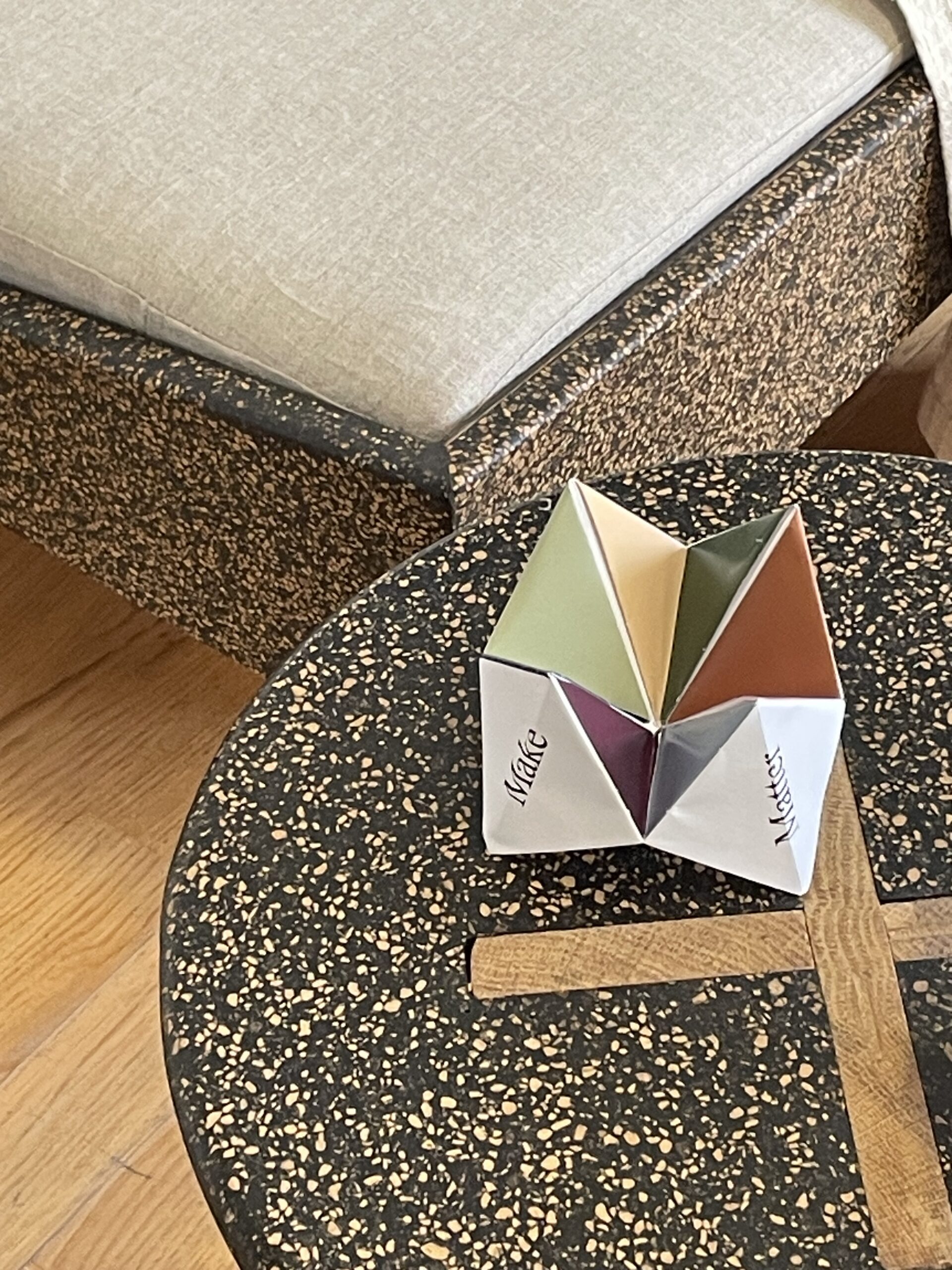
Make This Moment Matter
The theme of this year’s event, “Make This Moment Matter”, felt especially relevant.
As a designer, it is easy to become absorbed by the many practical layers of the design process. A product has to meet user needs, technical requirements, commercial expectations, production realities and long-term durability goals. In that process, it is important to step back and remember why something is being created in the first place.
The theme was a reminder that more is not always the answer. More features, more materials or more visual noise do not automatically create better design. What matters is meaning, clarity and purpose.
The strongest products and spaces I saw in Copenhagen were not necessarily the loudest ones. They were the ones that felt considered. They had a reason to exist. They created a moment, solved a real need or offered a more thoughtful way to use space.
That idea also connects strongly with the way we think about product development at Intuit. We design for real environments, real users and real project needs. Our products need to support comfort, interaction, flexibility and long-term use. Seeing them presented in an international design context helped put our own work into perspective.
Three design directions that stood out
Beyond the general atmosphere of the event, three broader design directions stood out to me.
Unapologetically raw materials
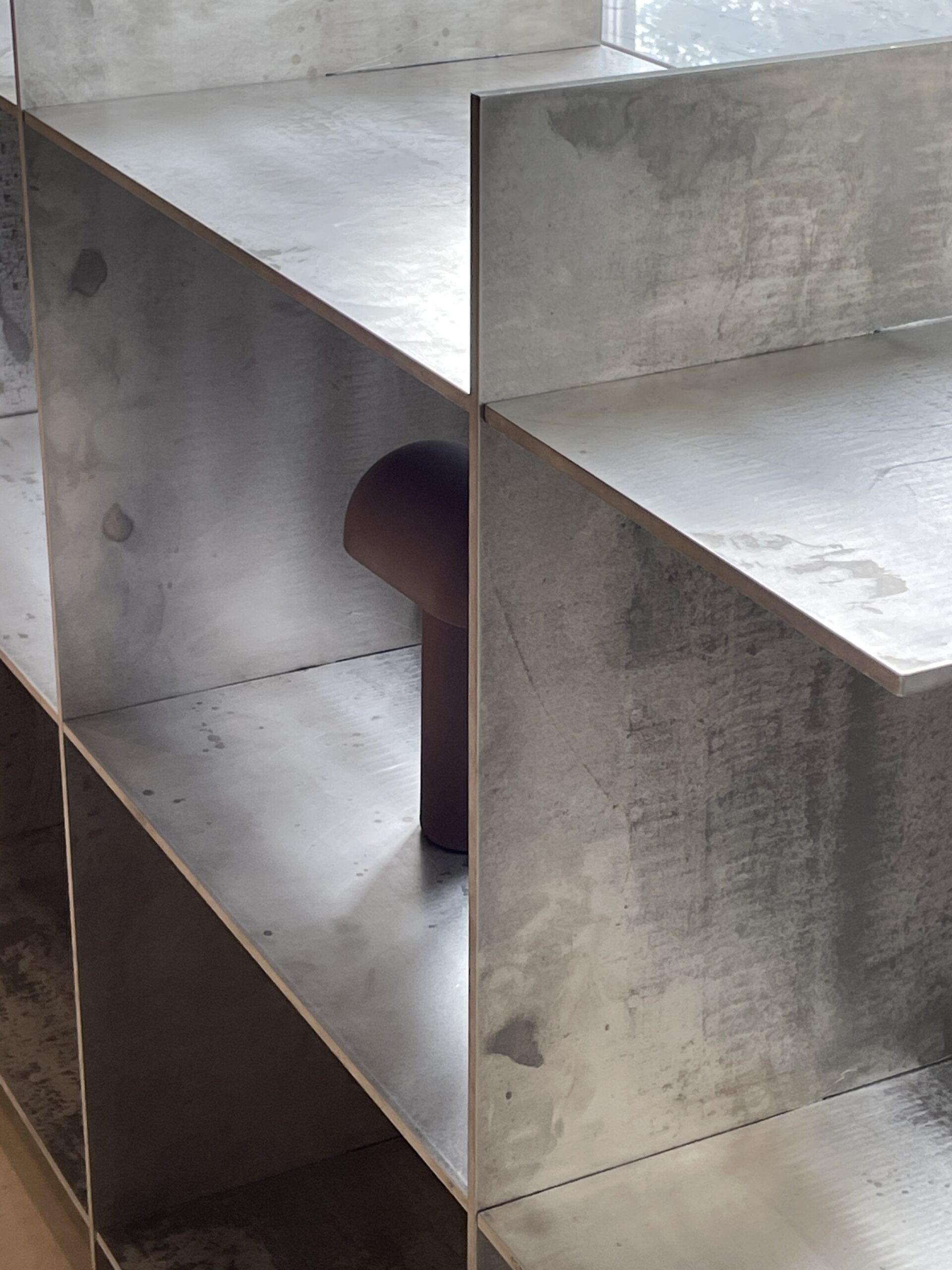
One of the clearest impressions from the fair was the use of raw, honest and sometimes imperfect materials. Biomaterials, recycled waste, untreated steel and natural stone appeared across many exhibitions and installations.
In a time when artificial intelligence and digital tools are becoming part of almost every creative process, there seems to be a growing desire for something real. Materials with texture, weight, irregularity and visible origin bring a different kind of value. They remind us that design is still physical, tactile and connected to the natural world.
One material that peeked my interest was made from olive pits. The company behind it explained that the pit is so dense that the material resembles stone in hardness. It was a good example of circular design which helps close the loop and repurpose industrial waste in a beautiful and sustainable way.
Japanese design and craftsmanship
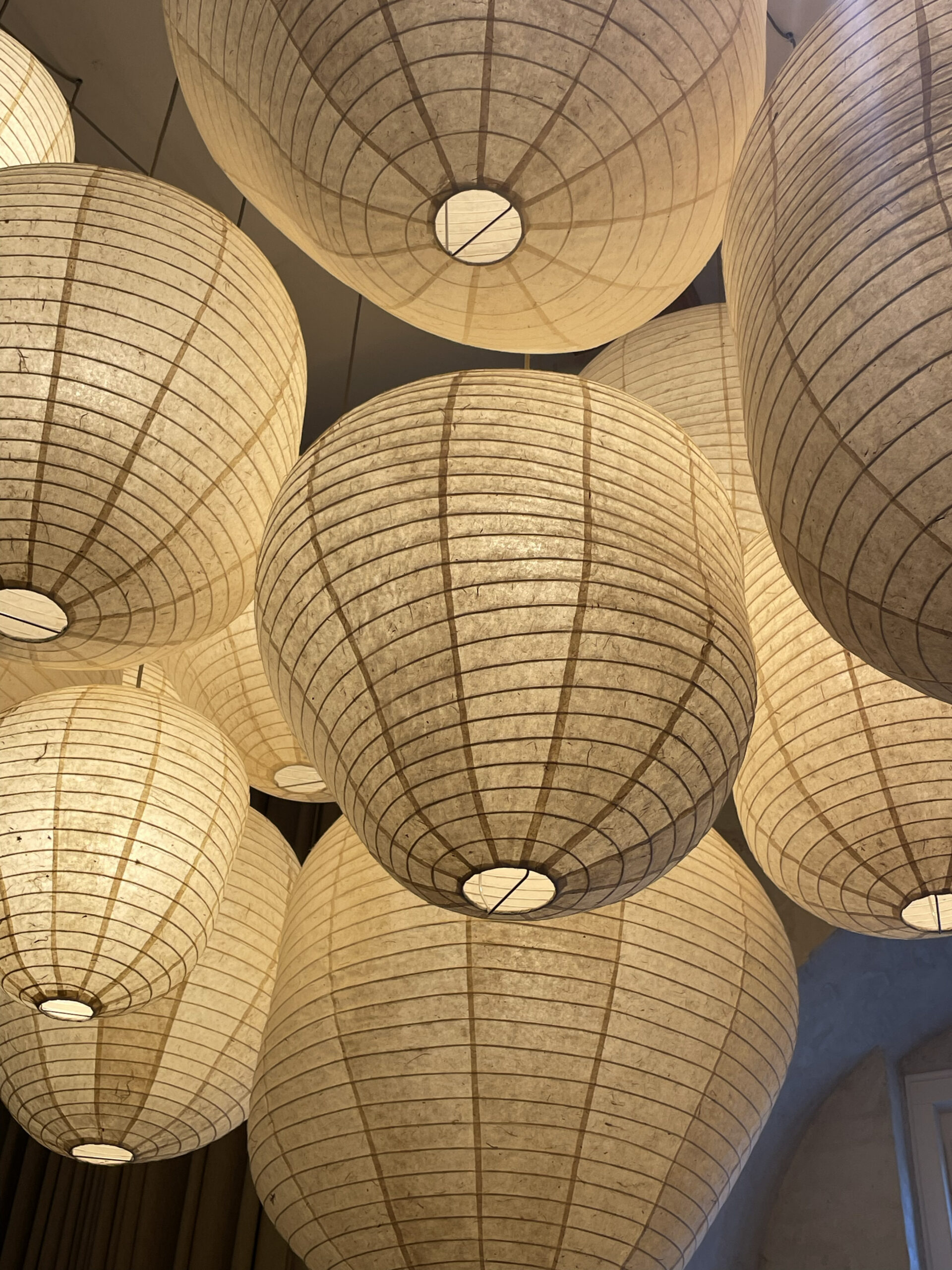
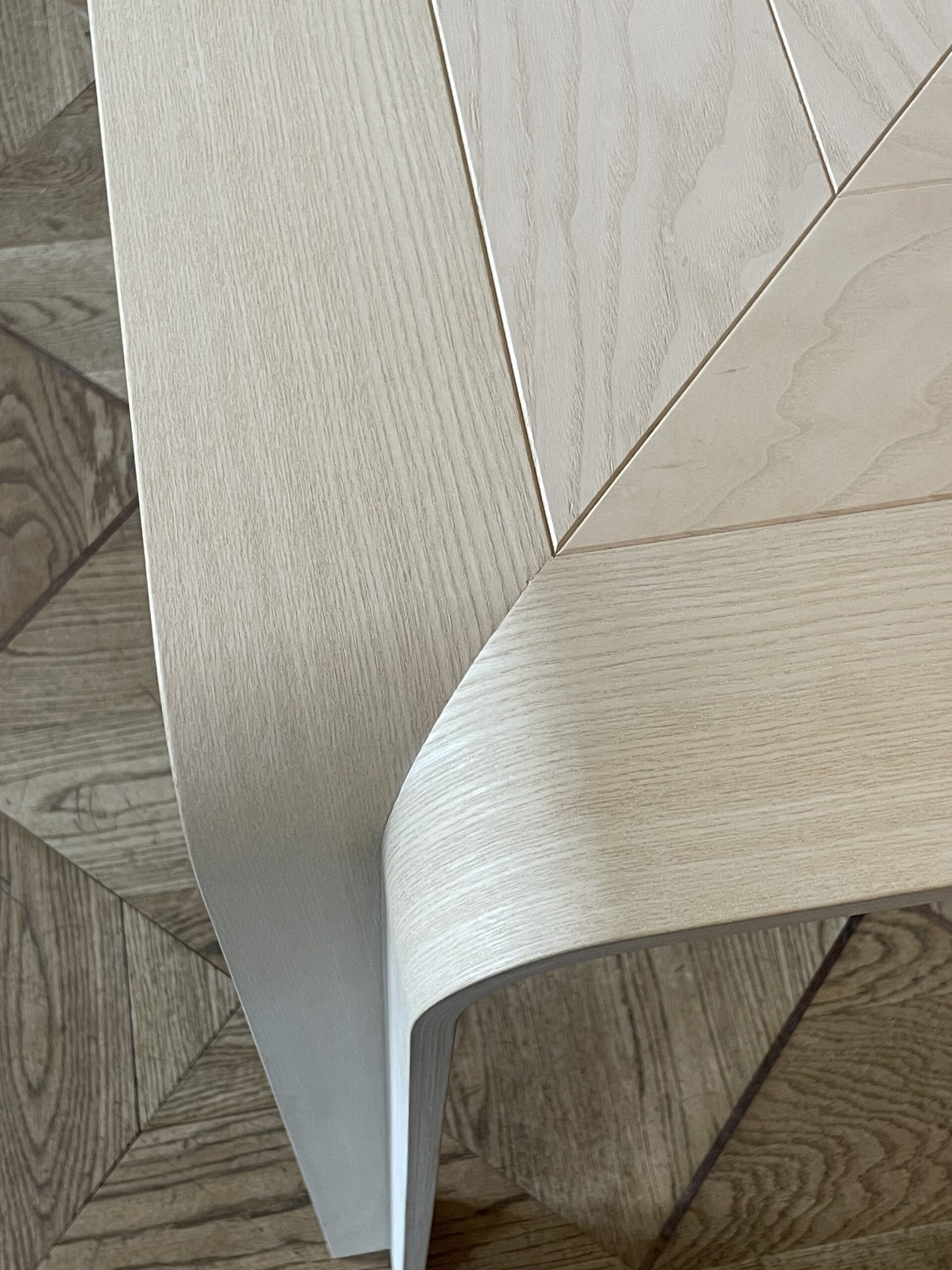
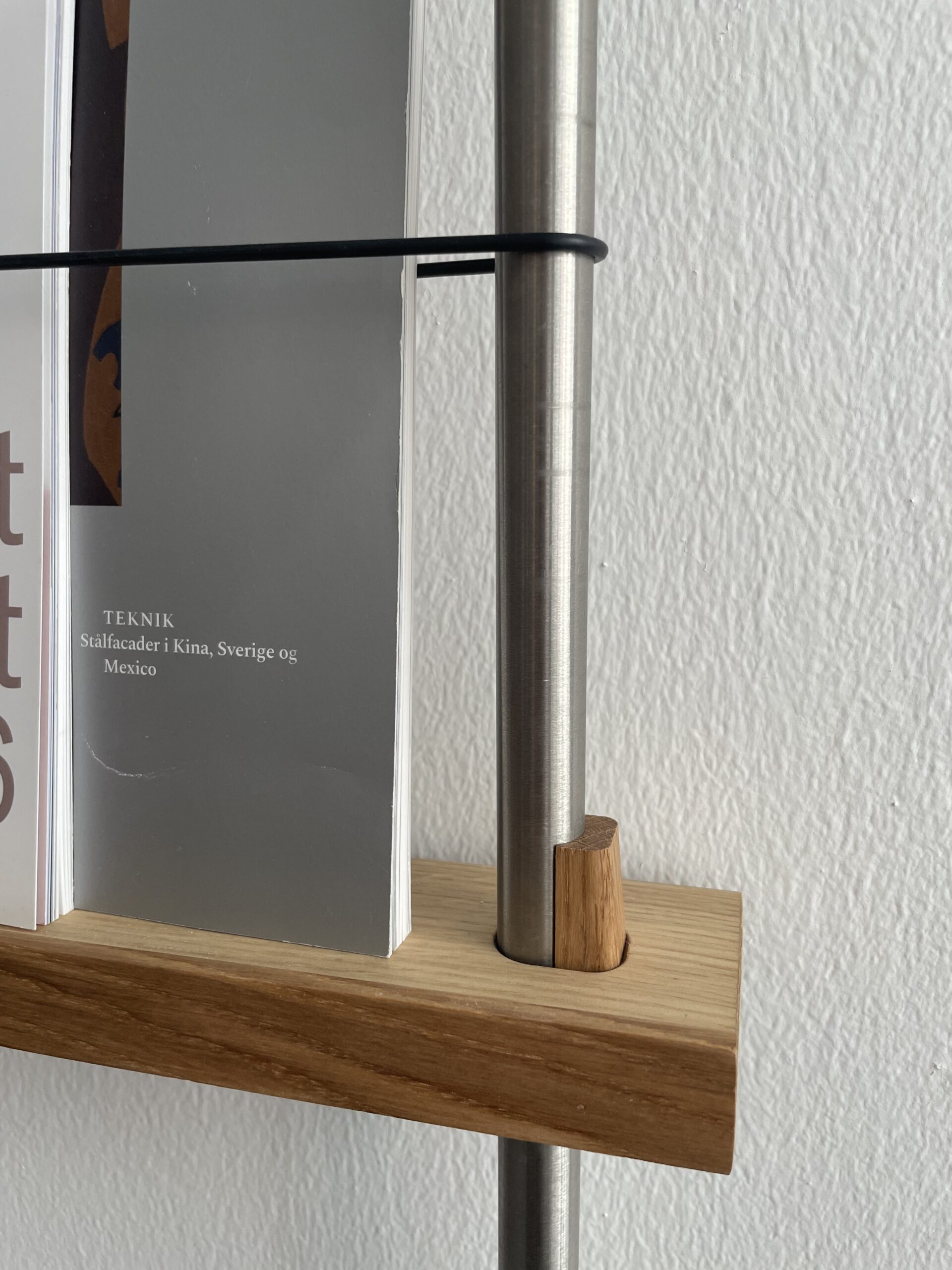
Another strong impression was the presence of Japanese brands, studios and craft traditions. There was an unusually rich representation of Japanese design across the event, from paper lamps and finely made wooden furniture to ceramics and highly detailed handcrafted objects.
A particular highlight was the Japanese brand Time & Style, whose work reflected a quiet confidence and deep respect for material, proportion and craft. This focus on craftmanship, quality and simplicity echoed across the whole city with brands from all over the world exhibiting similar principles in their products.
This is a valuable reminder in product design. Simplicity only works when the details are right. A calm form still needs warmth, tactility and intention.

Reinventing classics and heritage
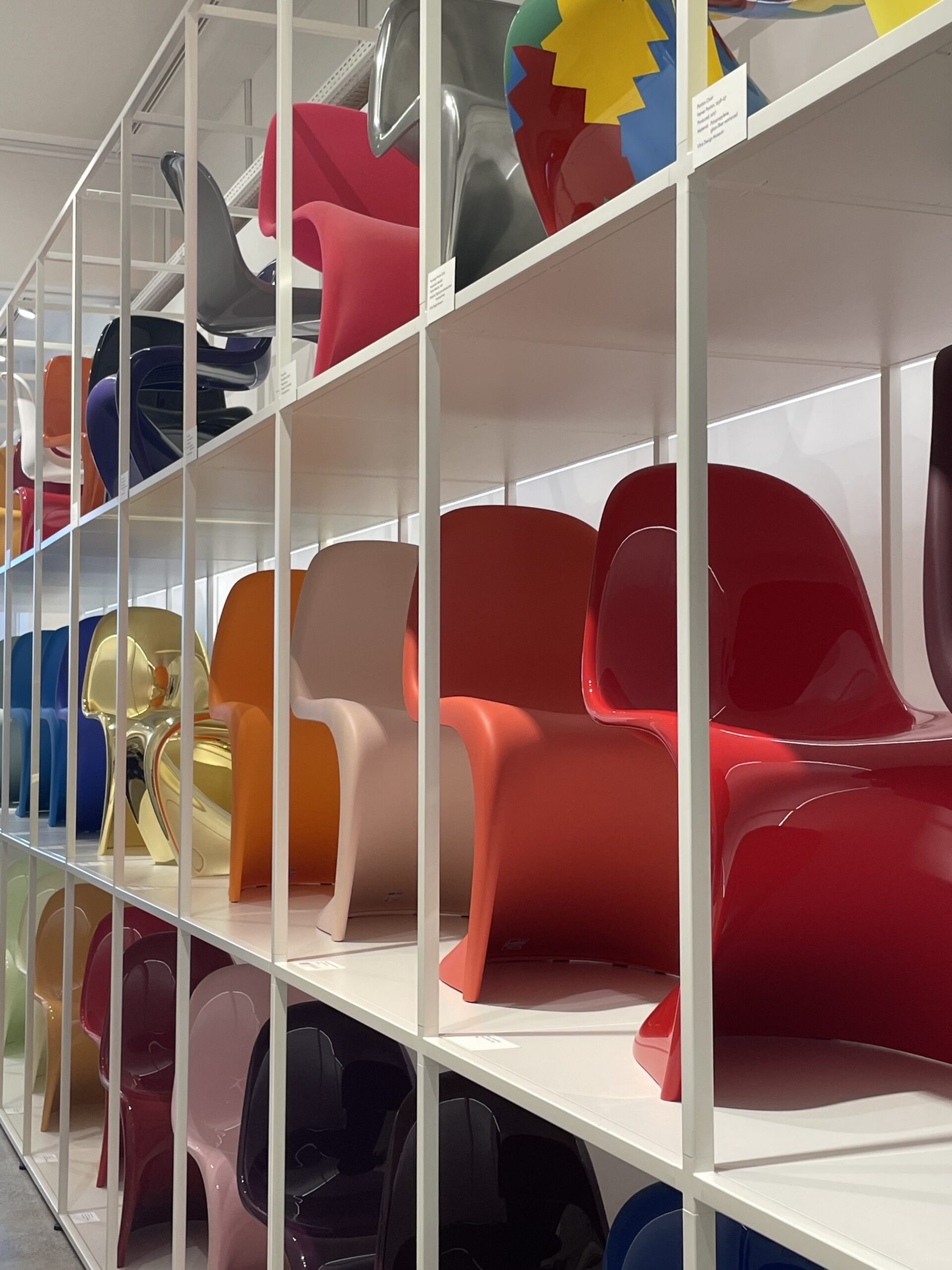
3daysofdesign was not only about what is new. Many brands used the event to celebrate their heritage, revisit design classics or reinterpret familiar forms for a contemporary context.
This felt like an important counterbalance to constant novelty. In a fast-moving design market, heritage offers continuity. It reminds us that good design does not always need to start from zero. Sometimes the most relevant direction is to understand what already works, then refine, adapt and bring it into a new moment.
Intuit by Softrend at 3daysofdesign
At 3daysofdesign 2026, Intuit by Softrend presented five new product families: Node, Meeter Gap, Ikoon, Hektor and Takt. Each reflects a different way of approaching modern workspaces and public interiors, from social seating and spatial zoning to focused work, privacy and maintenance-smart solutions for high-use environments.


Successful companies understand the importance of office design


